-
Termites cause hidden, costly damage – They feed on timber and cellulose, often unnoticed until structural repairs are needed.
-
Early detection is crucial – Look for mud tubes, hollow-sounding timber, frass, and swarming termites to catch infestations early.
-
Keep timber away from soil – Elevate decks, pergolas, fences, and firewood; untreated timber in contact with soil invites termites.
-
Manage moisture around your home – Fix leaks, ensure proper drainage, and avoid overwatering near timber structures.
-
Regular inspections prevent major damage – Check roof spaces, ceilings, under floors, and hidden corners at least twice yearly; consider professional inspections.
-
Use a combination of barriers and termite-resistant materials – Chemical or physical barriers, treated timber, and proper landscaping reduce termite risk effectively.
Termites might be tiny, but the damage they cause can be monumental. In Australia, termite infestations affect thousands of homes each year, quietly eating away at your property’s structure and potentially costing tens of thousands in repairs. The good news? With a little knowledge and proactive maintenance, you can protect your home from termite damage. This guide will walk you through simple, practical steps to keep your home safe from these silent invaders.
Why Is Termite Damage Such a Big Deal?
Termites are often called “silent destroyers” for good reason. These tiny insects can slowly eat away at your home’s timber, often without being noticed until significant damage has occurred. Understanding why termite damage matters is key to protecting your investment.
Hidden Destruction
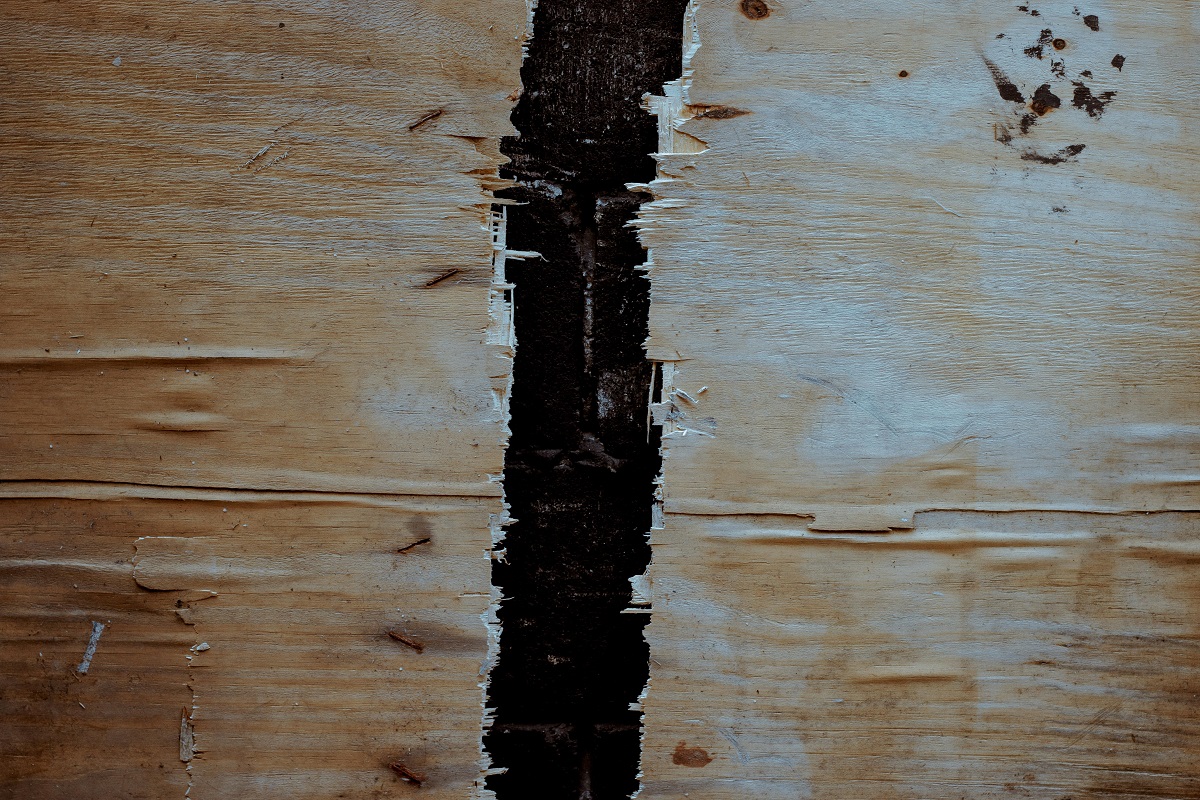
Termites feed on cellulose, which is found in timber, paper products, and some insulation. This means that floors, walls, window frames, doors, and even roof structures can be compromised without visible signs. By the time you notice cracks, sagging timber, or hollow-sounding beams, the infestation may have been active for years.
Financial Impact
Repairing termite damage is often expensive. Even a small infestation can cost several thousand dollars to fix, depending on the extent of the damage and whether structural repairs are needed. Left untreated, damage can worsen quickly, affecting floors, walls, and supporting beams, which can escalate repair costs dramatically.
Property Value
A history of termite damage can lower your home’s market value. Buyers and lenders may request detailed pest inspections, and previous infestations can make selling or refinancing more difficult. Homes with untreated damage are considered high-risk, which can deter potential buyers.
How Do Termites Enter Your Home?
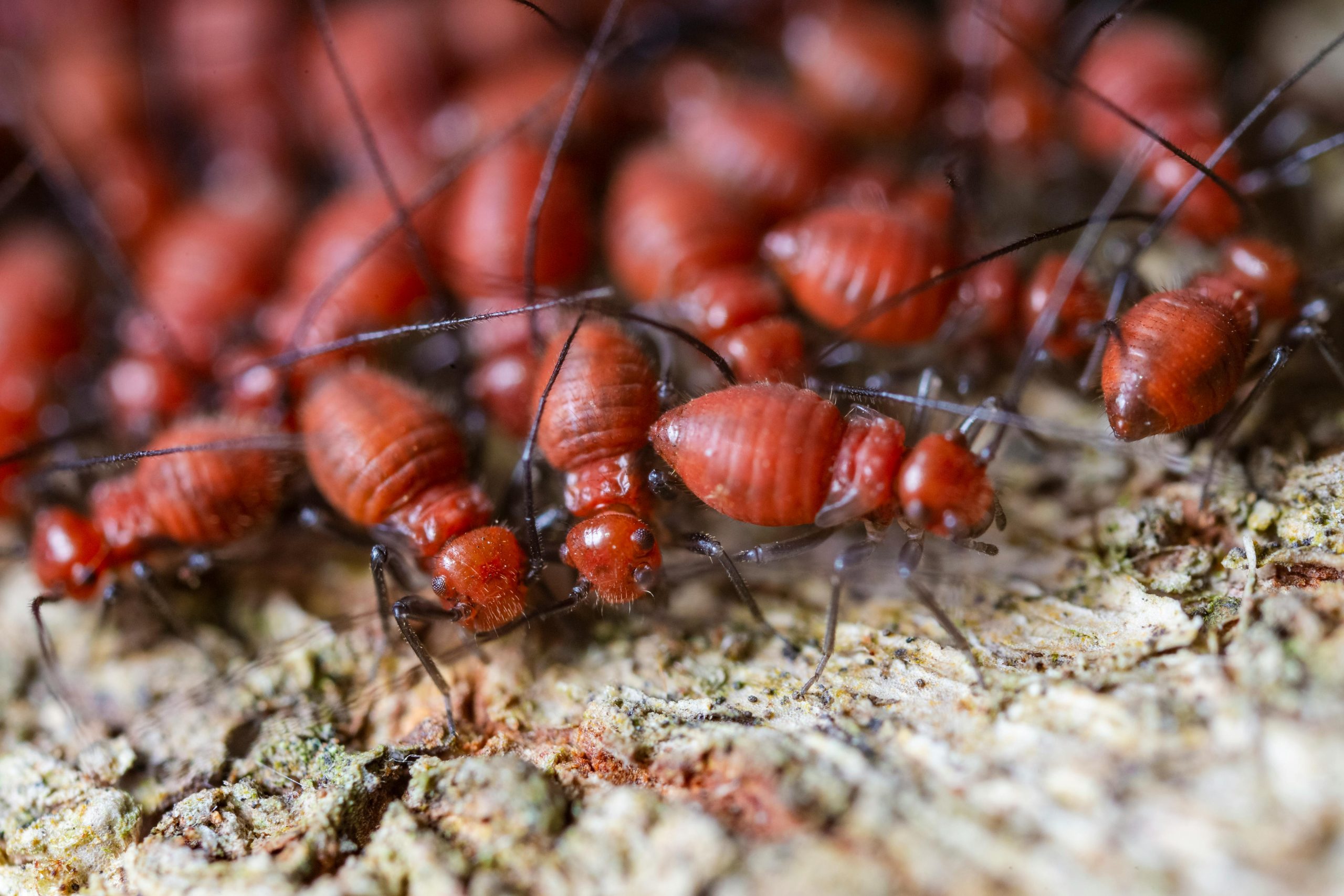
Termites are small but persistent. They can infiltrate your property through a range of entry points, making prevention critical.
Through Soil
Subterranean termites live underground and build mud tunnels to reach timber in your home. These tunnels are often hidden along foundations or under patios, making infestations hard to detect until the damage is significant.
Via Wood Contact
Any timber in contact with the ground is a potential entry point. Garden sleepers, timber decking, firewood piles, or untreated fence posts left on soil can provide a direct route for termites to enter your home. Always ensure timber structures are elevated or treated.
Gaps in Structure
Even small cracks or gaps in walls, foundations, window frames, or doors can allow termites inside. Gaps around pipes, vents, and eaves are also common entry points. Any point where wood meets moisture or soil is particularly vulnerable.
Spotting Early Signs of Termite Damage
Early detection is essential for limiting damage. Many signs are subtle but can indicate termite activity before major repairs are needed.
Mud Tubes
These are small tunnels made of soil and termite saliva that run along walls, foundations, or timber. Mud tubes protect termites from predators and dry conditions while they travel between their nest and food source.
Hollow-Sounding Timber
Gently tapping timber with a screwdriver or hammer can reveal hollow areas caused by internal termite feeding. Hollow wood is a classic warning sign that the timber has been compromised.
Frass (Termite Droppings)
Drywood termites leave tiny, sand-like droppings near their nests. Frass often accumulates in small piles under window sills, around skirting boards, or near wooden furniture.
Swarming Termites
Winged termites often emerge in spring or after rainfall as part of the colony’s reproductive cycle. If you notice small winged insects indoors, especially near windows or light sources, it could indicate an active infestation.
Regular inspections in hidden areas such as ceilings, roof spaces, and under floors are recommended to catch termite activity before it escalates.
Simple Home Maintenance Steps to Prevent Termite Damage
Preventing termite infestations is far easier than repairing damage. Maintaining your home and following practical steps can drastically reduce risk.
Keep Timber Away from Soil
Direct contact between timber and soil is one of the main ways termites access your home.
- Use concrete or steel stumps to elevate decks, pergolas, and fences.
- Store firewood at least 30cm off the ground and away from the house.
- Avoid placing garden sleepers or untreated timber directly on soil.
Manage Moisture Around Your Home
Termites thrive in damp conditions, so controlling moisture is essential.
- Fix leaking taps, pipes, and gutters promptly.
- Ensure water drains away from foundations, not towards them.
- Avoid overwatering plants near wooden structures, and keep lawns trimmed to improve air circulation around the house.
Regular Inspections
Even without visible damage, routine inspections are crucial for early detection.
- Check roof spaces, ceilings, under floors, and hidden corners at least twice a year.
- Look for mud tubes, wood damage, discarded wings, or small piles of frass.
- Consider hiring a certified pest inspector for annual inspections, particularly if your property is in a high-risk termite region.
Seal Entry Points
Prevent termites from finding their way indoors by sealing potential entry points.
- Fill cracks in foundations, walls, and around windows and doors.
- Install physical barriers, such as metal termite shields, at critical points.
- Ensure vents, weep holes, and pipes are properly screened.
Use Termite-Resistant Materials
When building or renovating, select materials that termites are less likely to attack.
- Treated timber or naturally resistant wood like cypress or ironbark is ideal for exposed structures.
- Concrete or steel framing in high-risk areas can add protection.
- Consider termite-resistant insulation in vulnerable spaces such as ceilings and subfloors.
Landscaping Tips to Reduce Termite Risk
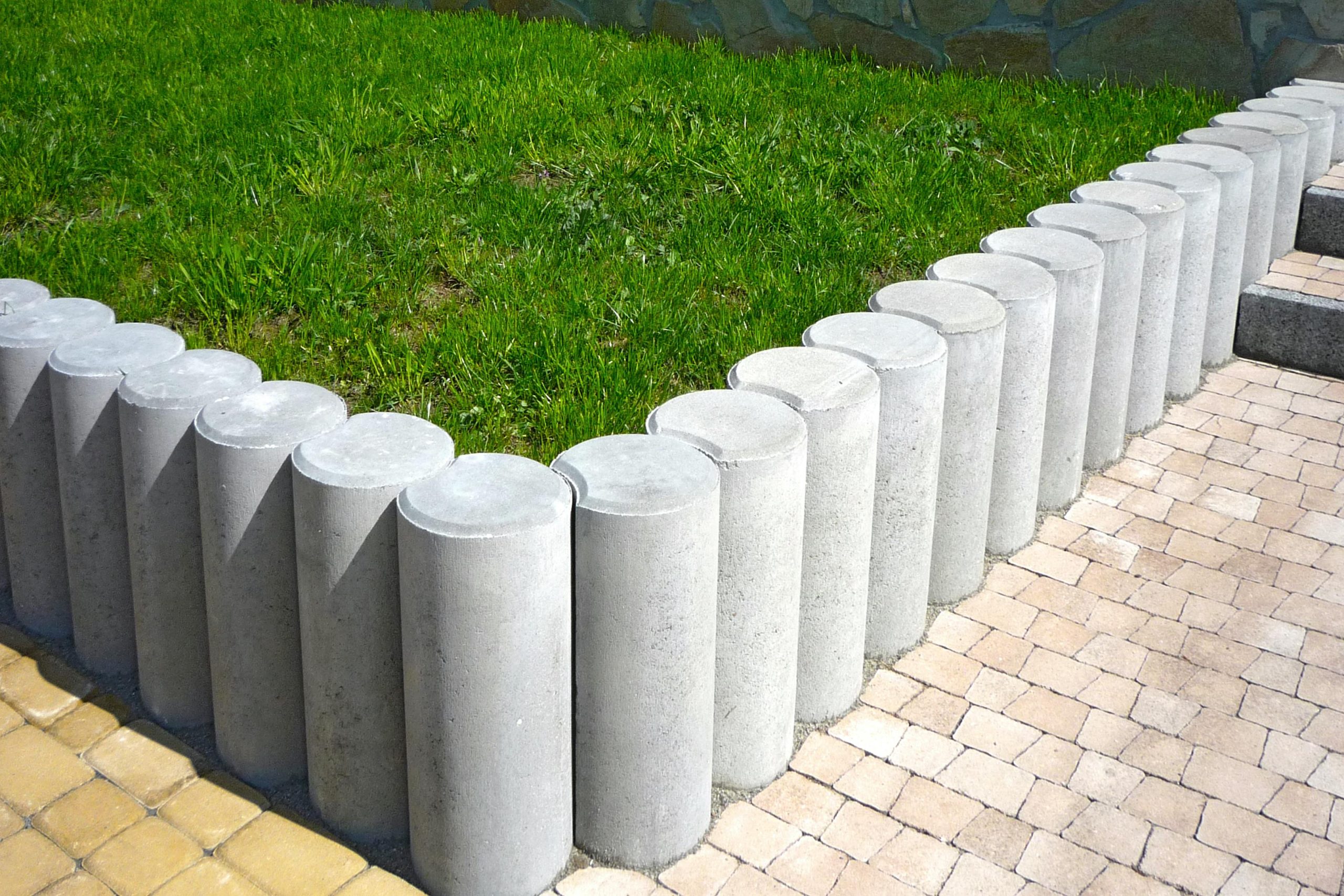
Your garden can either attract termites or act as a barrier. Smart landscaping choices can reduce the likelihood of infestations.
Keep Plants Away from Foundations
Planting shrubs or trees too close to walls allows termite colonies to move from soil into timber structures. Keep a gap of at least 30–50cm between plants and the house.
Avoid Mulch Near the House
Mulch provides moisture and shelter for termites. Keep mulch away from the base of your home and instead use it in garden beds further from timber structures.
Prune Trees and Shrubs
Branches touching the roof or walls can act as bridges for termites. Regularly trim plants so that they don’t provide direct access to timber.
Create Barriers
Non-wood landscaping elements like gravel, concrete edging, or raised garden beds can act as physical barriers to termite access.
Do Termite Barriers Really Work?
Termite barriers are an effective way to protect your home, but they need to be installed correctly to be reliable.
Chemical Barriers
Liquid termiticides applied around the home create a protective zone in the soil. Termites coming into contact with this barrier are killed or deterred from entering the structure.
Physical Barriers
Stainless steel mesh, sand barriers, or concrete strips can physically block termites from reaching timber. These are particularly useful in new constructions.
Baiting Systems
Baiting systems monitor termite activity and reduce colonies by encouraging termites to carry slow-acting poison back to the nest. These systems require monitoring and professional installation to be effective.
Pro tip: Regular inspections combined with barriers give the best long-term protection. Even with a barrier, ignoring maintenance or moisture issues can leave your home at risk.
DIY vs Professional Termite Prevention
While some preventive measures are easy to do yourself, others are best left to experts.
DIY steps:
- Keep timber elevated from soil.
- Manage water leaks and drainage.
- Conduct visual inspections regularly.
Professional services:
- Installing chemical or physical termite barriers.
- Comprehensive property inspections.
- Advanced termite treatments and colony elimination.
A combination of both approaches provides the most effective protection.
How Often Should You Inspect for Termite Damage?
Frequency of inspections can depend on your home’s risk level:
- High-risk areas: Homes in Queensland, New South Wales, and other termite-prone regions should be inspected annually.
- Moderate-risk areas: Every 2 years may be sufficient, but early warning signs should always be monitored.
- After rainfall: Termite activity often increases after wet weather, so additional checks are wise.
Remember, termites are silent and persistent. Regular inspections are the best defence.
What to Do If You Find Termite Damage
Discovering termite damage can be alarming, but prompt action is essential:
- Don’t panic: Termites are common and treatable.
- Identify the type: Subterranean or drywood termites require different approaches.
- Call a professional: Certified pest controllers can assess the extent of damage and recommend treatment.
- Repair affected areas: Structural repairs may be needed once the infestation is eliminated.
- Review preventive measures: Ensure all possible future entry points are addressed.
Acting quickly can significantly reduce repair costs and prevent further structural issues.
Common Misconceptions About Termite Damage
Myth 1: “Termites only affect old homes.”
False. Termites target any property with wood and cellulose materials, regardless of age.
Myth 2: “Seeing termites means it’s too late.”
False. Early detection can still save significant damage if treated promptly.
Myth 3: “Chemical sprays alone are enough.”
False. A combination of barriers, regular inspections, and moisture management is far more effective.
Understanding the facts can help homeowners make informed decisions and avoid costly mistakes.
Key Takeaways
Protecting your home from termite damage comes down to vigilance and proactive maintenance. Simple steps, such as keeping timber off the ground, managing moisture and drainage, sealing cracks and gaps, and using termite-resistant materials, can make a significant difference.
Regular inspections of roof spaces, ceilings, and under floors help catch problems early, while maintaining your landscaping reduces pathways for termites to access your home. Combining these measures with professional inspections, barriers, or treatments where necessary provides the best defence against infestations.
While termites may be small, their potential impact on your property is substantial. With awareness, consistent effort, and timely action, most termite problems are preventable—so stay proactive, monitor your home regularly, and don’t hesitate to seek professional help when needed. Your home is worth the effort.
