-
Ceilings are prime termite targets – Termites are attracted to timber, roof structures, and insulation, often going unnoticed due to less frequent inspections.
-
Early-stage signs are subtle but detectable – Look for tiny holes or cracks, sagging or warped sections, discoloured patches, frass, hollow sounds, and mud tubes.
-
Prompt professional action is essential – Contact a licensed pest inspector to confirm termite activity, identify species, and map the infestation.
-
Treatment options vary – Baiting systems, liquid termiticides, foam treatments, and physical barriers are used depending on infestation severity and accessibility.
-
Repair and reinforce affected areas – Replace or reinforce damaged timber and use termite-resistant materials to reduce future risk.
-
Ongoing monitoring prevents recurrence – Conduct regular professional inspections, keep ceiling spaces dry and ventilated, and remove timber debris near the home.
Termites are one of the sneakiest threats to homes. Often, by the time homeowners notice a problem, the damage is already significant and costly. But recognising early stage signs of termites in ceiling can save you both stress and money. In this guide, we’ll break down what to look out for and what actions you should take immediately.
Why Termites Love Ceilings
You might wonder, why do termites target ceilings in the first place? Termites are attracted to wood and cellulose materials, which can be found in ceiling joists, roof timbers, and even some insulation materials. The ceiling can also provide a warm, humid environment, which is perfect for colonies to thrive.
Unlike walls or floors, ceilings are often overlooked during regular home inspections, giving termites a quiet place to establish their colonies.
How to Spot Termites Early: What Should You Look For?
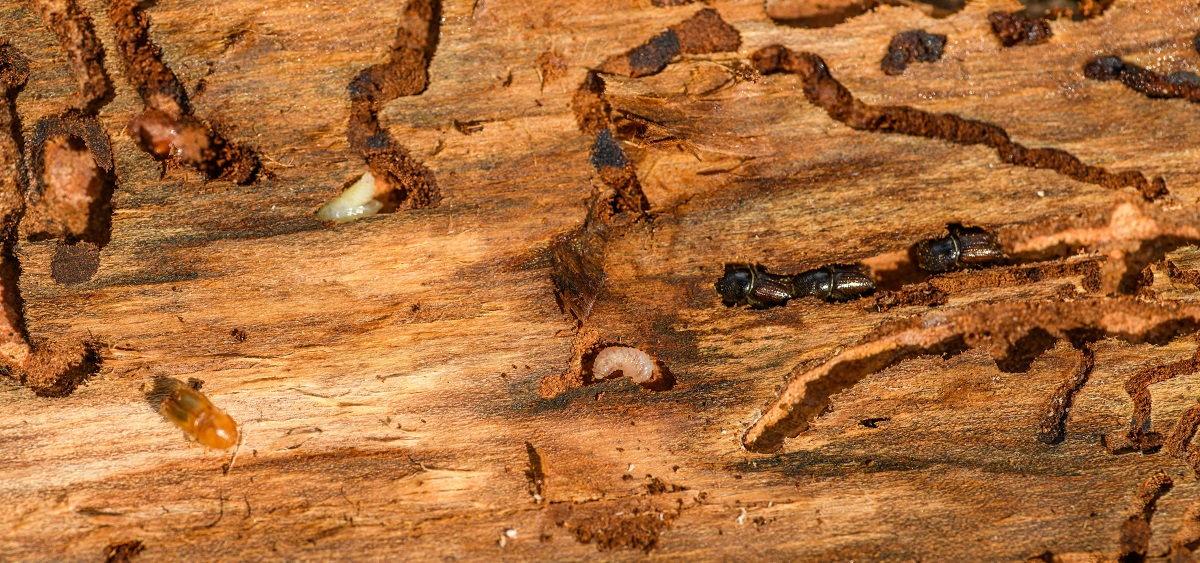
Catching termites at the early stage is crucial for preventing extensive damage. Termites are masters at staying hidden, so recognising subtle signs in your ceiling can make all the difference. Here’s a more detailed look at the most common early stage signs of termites in ceiling:
1. Tiny Holes or Cracks in Ceiling Boards
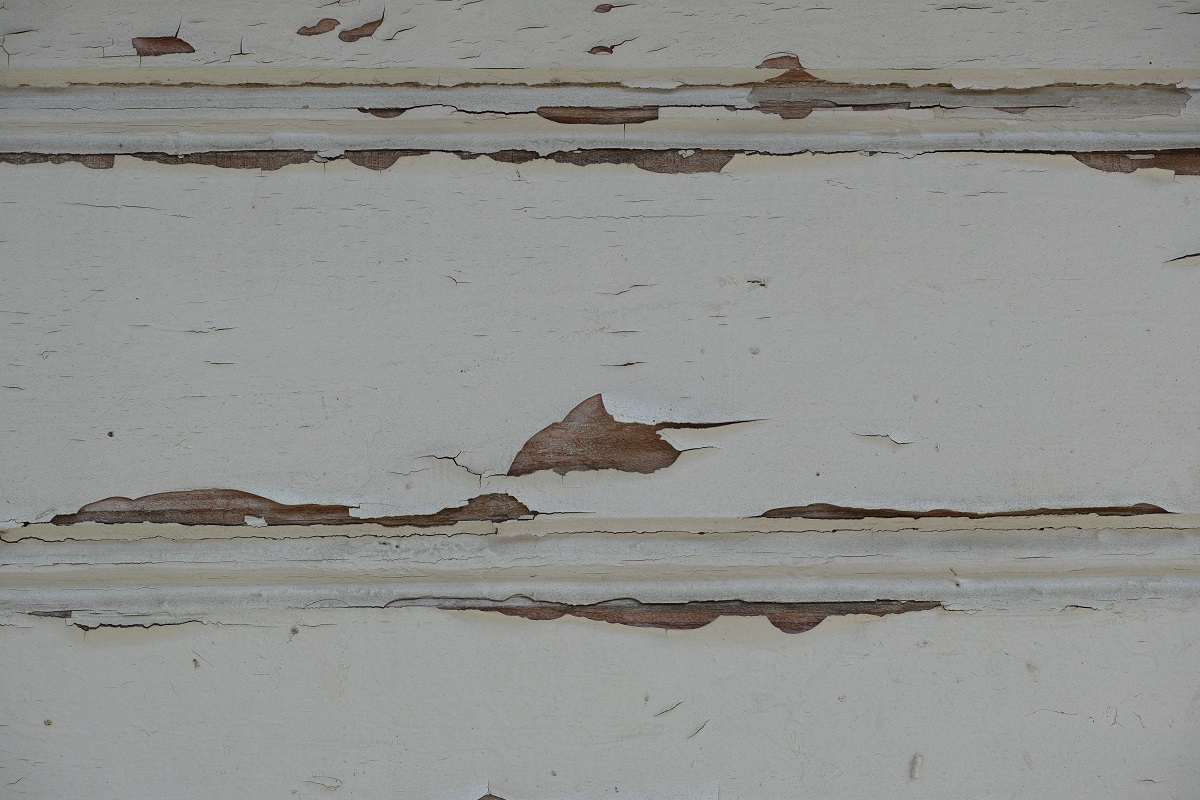
Termites begin by burrowing into timber, creating small pinholes that are often easy to overlook. These holes may initially appear as minor cracks or imperfections in plaster or timber panels. Over time, they can widen or develop into a network of tunnels.
Tip: Use a bright flashlight to examine ceiling corners and edges closely, as these areas are often the first points of entry.
Look For: Fine dust around these holes, which could be a sign of termites ejecting chewed wood particles.
2. Sagging or Warped Ceiling Sections
When termites eat through the internal timber, the ceiling may start to sag or feel soft when pressed. Sagging may appear as a subtle dip or bulge, and it’s often most noticeable in areas where moisture is present, such as above bathrooms, kitchens, or laundry rooms.
Why This Happens: Termites compromise the structural integrity of the timber, which weakens support beams and ceiling panels.
Tip: If you notice sagging, gently press the area to see if it feels spongy or hollow—it could be a sign of hidden damage.
3. Discoloured or Blotchy Patches
Termite damage can sometimes mimic water stains, but there are key differences. Unlike water damage, termite-related discolouration often appears irregular and may form streaks or blotches that do not align with a leak pattern.
Look For: Yellowish or darkened patches that persist even after a roof or plumbing leak has been fixed.
Tip: Mark suspicious areas and monitor them over time; expanding patches may indicate ongoing termite activity.
4. Droppings or “Frass”
Termite droppings, known as frass, are tiny piles of sawdust-like pellets that termites push out of their tunnels. In ceilings, frass may collect on ledges, light fittings, or windowsills.
Why It Matters: Frass is a direct sign that termites are actively feeding.
Tip: If you find frass, gently sweep it up and inspect the surrounding ceiling for small holes or cracks where it may be coming from.
5. Hollow Sounds When Tapped
Tapping on timber or ceiling panels can reveal internal damage caused by termites. A healthy ceiling will produce a solid, crisp sound, while timber compromised by termites often sounds hollow or dull.
Tip: Use a small hammer or the handle of a screwdriver to gently tap suspect areas and listen carefully.
Look For: A change in sound between sections of the ceiling; this can help pinpoint where termites have hollowed out the timber.
6. Mud Tubes or Trails
Subterranean termites build protective mud tubes along ceilings, beams, and walls to travel between their colony and food sources. These tubes are usually pencil-thin and can run horizontally or vertically across timber surfaces.
Why They Build Tubes: Mud tubes protect termites from dry air and predators while allowing them to move safely between areas.
Tip: Inspect ceiling beams, corners, and near vents for mud tubes, which are usually brown or tan and slightly rough in texture.
Extra: Even if you only see a small section of a tube, it can indicate a larger hidden infestation.
Common Questions About Early Stage Termites in Ceilings
Can Termites Really Cause Serious Damage So Quickly?
Yes. Even a small colony can quietly chew through timber for months or years. Early detection is your best defence, as waiting too long can lead to structural damage and expensive repairs.
How Do Termites Get Into Ceilings?
Termites usually access ceilings through:
- Cracks in exterior walls
- Gaps around air vents
- Roof timbers and eaves
- Overlapping roof tiles that provide a hidden entry
Regular inspections, especially in older homes, are essential to catch infestations before they spread.
DIY Checks: What You Can Do Right Now
While professional inspections are always recommended, there are a few simple checks you can perform:
- Visual Inspection: Look for mud tubes, frass, or cracks along ceiling corners.
- Tap Test: Gently tap timber beams or ceiling panels and listen for hollow sounds.
- Moisture Check: Termites love damp areas. Look for leaks or condensation spots in your ceiling.
- Check Around Light Fixtures: Sometimes termites enter via wiring or ceiling recesses.
What to Do Next If You Spot Early Stage Signs of Termites in Ceiling

Noticing any of the early stage signs of termites in ceiling can be stressful, but acting promptly is key to preventing serious damage. Here’s a step-by-step guide to help you handle the situation effectively:
1. Don’t Panic
Discovering termites can feel alarming, but it’s important to stay calm. Termites are incredibly common in Australian homes, particularly in Queensland, New South Wales, and Victoria. Early detection is actually a good sign because it gives you the chance to intervene before major structural damage occurs.
Tip: Treat the situation as a manageable maintenance issue rather than an emergency. Immediate, measured action can save thousands in potential repairs.
2. Limit Disturbance
Resist the urge to drill, hammer, or remove ceiling panels yourself. Disturbing the infested area can:
- Cause termites to scatter to other parts of the house
- Make it harder for inspectors to locate the main colony
- Potentially worsen hidden damage
Tip: Keep the area around the suspected infestation clear and avoid moving furniture or storing items underneath. This preserves the site for a thorough inspection.
3. Contact a Licensed Pest Inspector
The next critical step is to get professional help. A licensed pest inspector can provide an accurate diagnosis and guide you on treatment options.
A professional inspection typically involves:
- Confirming Termite Activity: Detect whether the damage is indeed caused by termites or something else, like water damage or wood rot.
- Identifying the Species: Different termite species, such as subterranean or drywood termites, require different treatment approaches.
- Mapping the Infestation: Inspectors can locate the full extent of the colony, including hidden areas of the ceiling and roof space.
- Recommending Treatment Options: They will advise on the most effective method for your situation, considering safety, home structure, and long-term prevention.
Tip: Always check for credentials and experience. Ensure your inspector is licensed and follows Australian Standards for termite management (AS 3660).
4. Treatment Options
Once termites are confirmed, the type of treatment will depend on the severity and species. Common approaches include:
- Baiting Systems: These involve placing termite baits around the property, which worker termites carry back to the colony. Over time, this can eliminate the entire colony. Baiting is particularly effective in suburban homes with soil access.
- Liquid Termiticides: Applied to the soil around the house or injected directly into timber, liquid termiticides create a barrier that kills termites on contact. It’s often used for more extensive infestations.
- Foam Treatments: Ideal for ceiling cavities and hard-to-reach areas. Foam expands to fill spaces and allows chemicals to penetrate deep into the timber.
- Physical Barriers: These are termite-resistant materials or metal shields installed during renovations or new builds to prevent termites from accessing timber.
Tip: Discuss the pros and cons of each option with your inspector. Cost, accessibility, and long-term effectiveness vary depending on your property.
5. Repair Damaged Areas
After the termites have been treated, addressing the damage is essential to restore your home’s structural integrity.
What to Do:
- Replace weakened or rotted timber
- Reinforce beams or ceiling joists if needed
- Repair plaster or ceiling panels affected by termite activity
Tip: Use termite-resistant materials for replacements to reduce the risk of future infestations.
6. Regular Monitoring
Even after a successful treatment, ongoing vigilance is important. Termites can return, especially in high-risk areas.
Steps to Monitor:
Conduct annual professional inspections, particularly in termite-prone regions
- Keep ceiling spaces ventilated and dry
- Remove timber debris from around your home
- Look for new signs of frass, mud tubes, or hollow sounds
Tip: Consider setting up a permanent termite monitoring system in high-risk areas, such as under the roof or near external timber structures.
Preventing Termite Infestations in Ceilings
Prevention is always better than cure. Here are some practical steps to reduce the risk of termite infestations:
- Keep gutters clean and fix leaks promptly
- Remove wood debris near the house
- Ensure good ventilation in roof spaces
- Treat timber with termite-resistant products during construction or renovations
- Conduct regular professional inspections
Signs That Mean It’s Time to Call the Experts
While early-stage signs are subtle, some indicators mean you should call a licensed pest control professional immediately:
- Sudden sagging or holes in the ceiling
- Visible mud tubes across beams or walls
- Swarmers (winged termites) inside your home
- Frass piles on ledges or windowsills
The sooner you call in an expert, the lower the risk of major damage and costly repairs.
Final Thoughts
Recognising early stage signs of termites in ceiling is crucial for any homeowner. While the signs can be subtle, paying attention to small cracks, sagging sections, or tiny piles of frass can make all the difference.
Taking swift action by contacting a professional, treating affected areas, and monitoring regularly will protect your home and provide peace of mind. Remember, termites don’t wait, so staying vigilant is your best defence.
